
Physical Benefits
Improved Cardiovascular Health: Regular exercise strengthens the heart, improves circulation, and helps lower blood pressure and cholesterol levels.
Weight Management: Exercise helps in maintaining a healthy weight by burning calories and increasing metabolism.
Stronger Muscles and Bones: Activities like weight lifting, running, and yoga help build and maintain muscle mass and bone density.
Increased Energy Levels: Regular physical activity boosts endurance and reduces fatigue.
Better Sleep: Exercise can help regulate sleep patterns, making it easier to fall asleep and stay asleep.

Mental Health Benefits
Reduced Stress and Anxiety: Physical activity can lower stress hormones and trigger the release of endorphins, which promote a sense of well-being.
Improved Mood: Exercise can alleviate symptoms of depression and anxiety, enhancing overall mood and emotional health.
Enhanced Cognitive Function: Regular exercise boosts brain health by improving memory, focus, and overall cognitive function.
Increased Self-Esteem: Achieving fitness goals and maintaining a regular exercise routine can enhance self-confidence and self-esteem.
Do you need to speak to a licensed therapist? Contact https://www.eunicemingo.com
Long-Term Benefits
Chronic Disease Prevention: Regular exercise can reduce the risk of developing chronic diseases such as type 2 diabetes, heart disease, and certain cancers.
Longevity: Leading an active lifestyle is associated with a longer lifespan.
Improved Quality of Life: Physical fitness can enhance the overall quality of life by improving mobility, independence, and the ability to perform daily tasks.
Types of Exercise
Aerobic Exercise: Includes activities like running, swimming, and cycling, which improve cardiovascular health.
Strength Training: Involves lifting weights or using resistance bands to build muscle strength and endurance.
Flexibility Exercises: Such as yoga and stretching, which improve the range of motion of muscles and joints.
Balance Exercises: Activities like tai chi or balance training that improve stability and prevent falls, especially in older adults.

Tips for Incorporating Exercise into Your Routine
Start Small: Begin with short, manageable workouts and gradually increase intensity and duration.
Set Realistic Goals: Establish achievable fitness goals to stay motivated.
Find Activities You Enjoy: Choose exercises that you find enjoyable to make the routine sustainable.
Schedule Regular Workouts: Set aside specific times for exercise to ensure it becomes a consistent part of your routine.
Mix It Up: Incorporate a variety of exercises to keep workouts interesting and target different muscle groups.
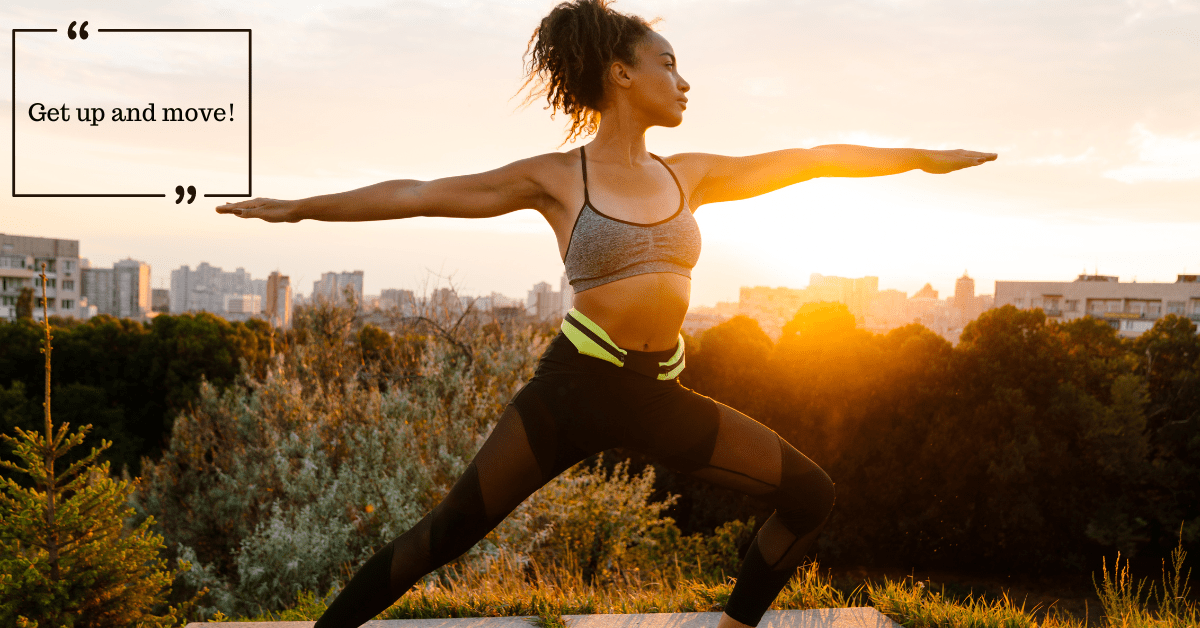
Incorporating regular exercise into your lifestyle can lead to significant improvements in both physical and mental health, ultimately enhancing your overall quality of life.
Share this:

Discover more from Head2Toe Magazine & Entertainment
Subscribe to get the latest posts sent to your email.
You must be logged in to post a comment.