
For many women, hearing the word hysterectomy can be overwhelming. It is one of the most common surgeries performed on women, yet many patients are beginning to ask an important question: Is removing our organs always the best option? Today, more doctors are encouraging women to explore less invasive treatments first, especially when dealing with non-life-threatening conditions. One of the most common reasons hysterectomies are recommended is due to uterine fibroids.
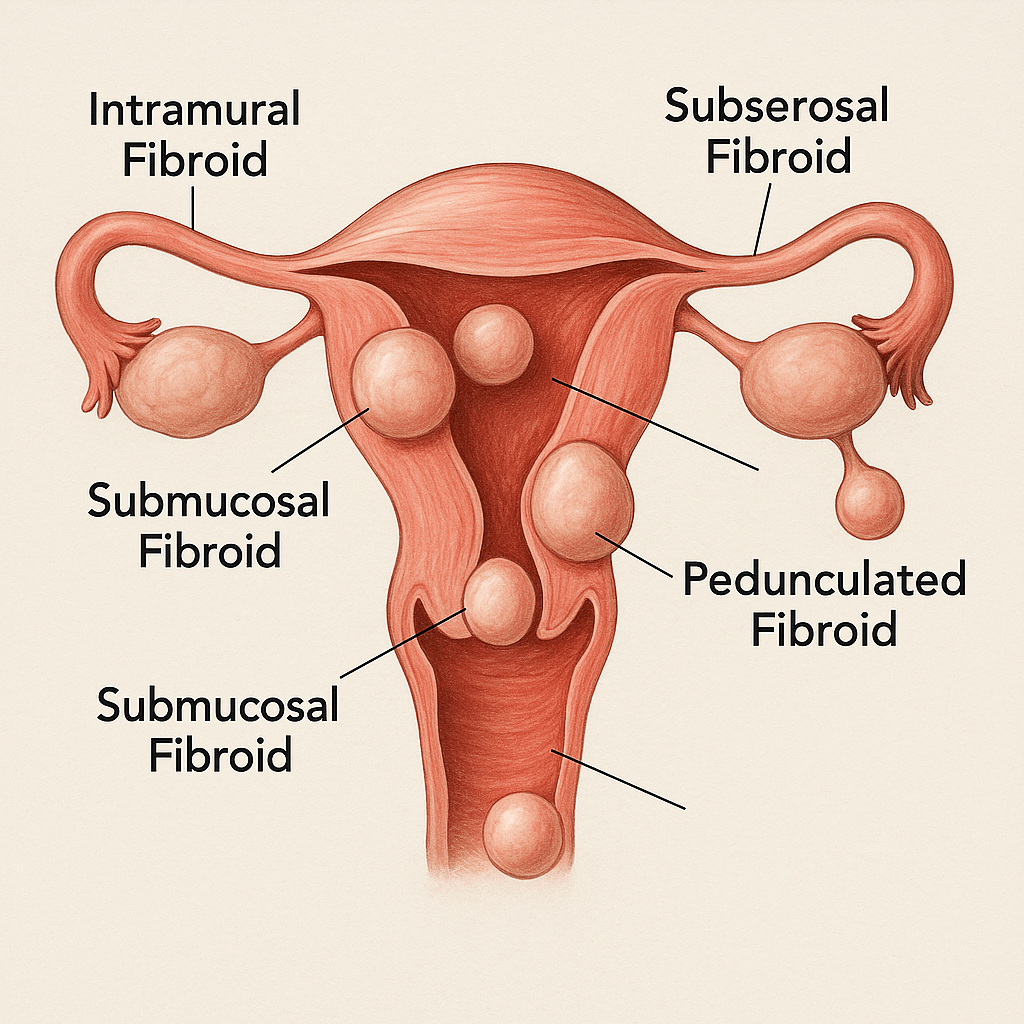
Understanding Fibroids
Uterine fibroids are noncancerous growths that develop in or around the uterus. They are extremely common and can vary in size from very small to extremely large.
Fibroids may cause symptoms such as:
- Heavy or prolonged menstrual bleeding
- Pelvic pressure or pain
- Frequent urination
- Lower back pain
- Pain during intercourse
- Fertility challenges
While fibroids can be painful and disruptive, they are not cancer, and many women can manage them with treatments that do not require removing the uterus.
Why Fibroids Affect Black Women More
One of the most concerning aspects of fibroids is how disproportionately they affect Black women. Studies show that Black women are significantly more likely to develop fibroids than women of other racial groups.
Black women often develop fibroids:
- At younger ages
- With larger or more numerous tumors
- With more severe symptoms
This has led to higher rates of hysterectomies among Black women compared to other populations. Unfortunately, many women are not told about all of their treatment options. In some cases, hysterectomy is presented as the primary solution when other procedures may be available. This is why education and advocacy are so important. When women understand their bodies and their options, they are better equipped to make decisions that align with their long-term health goals.
Less Invasive Alternatives to Hysterectomy
For women diagnosed with fibroids, there are several treatments that may reduce symptoms while preserving the uterus. One option is a myomectomy, a surgery that removes fibroids while leaving the uterus intact. This procedure can be especially helpful for women who wish to maintain their reproductive organs. Another option is uterine artery embolization, a minimally invasive procedure that blocks the blood supply feeding the fibroids. Without that blood supply, fibroids shrink and symptoms often improve.
Hormonal treatments may also help manage symptoms. Some women find relief through medications or devices such as the Mirena intrauterine device, which can help reduce heavy bleeding. Other procedures, such as endometrial ablation, may help control excessive bleeding in certain cases. Each treatment option should be discussed carefully with a healthcare professional to determine the best approach based on a woman’s age, symptoms, and health goals.
Why Preserving the Uterus Matters
The uterus and ovaries play an important role in the body’s hormonal system. Removing them can sometimes lead to hormonal changes that affect bone health, heart health, sexual wellness, and overall quality of life. For this reason, many healthcare providers encourage women to consider all available options before choosing a permanent surgical solution. While hysterectomies can be life-changing for women with severe symptoms, they are major surgeries that deserve careful thought and discussion.
The Importance of Asking Questions
Women should never feel rushed into major surgery without fully understanding their diagnosis and treatment choices. If a hysterectomy is recommended, it is completely reasonable to ask questions such as:
- Are there other treatments available for my fibroids?
- What are the risks and benefits of each option?
- Can my symptoms be managed without removing my uterus?
- Would a minimally invasive procedure work in my case?
Seeking a second opinion can also help women feel more confident in the decisions they make about their bodies.
Empowering Women Through Knowledge
Women’s health conversations are evolving. More women are advocating for themselves, researching their options, and demanding a deeper understanding of how treatments affect their bodies long term. The goal is not to dismiss hysterectomies entirely. In some situations, they are medically necessary. The goal is informed decision-making. When it comes to conditions like fibroids, women deserve to know that multiple treatment paths exist. With the right information, medical guidance, and support, many women may find relief without immediately resorting to removing their reproductive organs.
Knowledge is power and when it comes to our health, every woman deserves access to the information needed to make the best decision for her body.
At Head2Toe Magazine & Entertainment, we believe knowledge is one of the most powerful tools our community can have. Too often, conversations about women’s health especially in the Black community—are rushed, dismissed, or kept in the dark. Our goal is to encourage women to ask questions, seek second opinions, and fully understand their options before making life-altering medical decisions. Whether a woman ultimately chooses surgery or a less invasive treatment, the most important thing is that the decision is made from a place of information, empowerment, and self-advocacy. Our bodies deserve careful consideration, and our health deserves a voice.
Share this:

Discover more from Head2Toe Magazine & Entertainment
Subscribe to get the latest posts sent to your email.
You must be logged in to post a comment.